
As the global focus on environmental responsibility intensifies, the medical device industry is undergoing a significant transformation. Thermometer manufacturers, traditionally reliant on plastics and electronic components, are now embracing sustainability as a core business strategy. In 2025, several leading companies are rolling out innovative initiatives to reduce their carbon footprint, minimize waste, and create eco-friendly products without compromising accuracy or safety. Below, we explore seven sustainable thermometer companies and their notable 2025 initiatives.
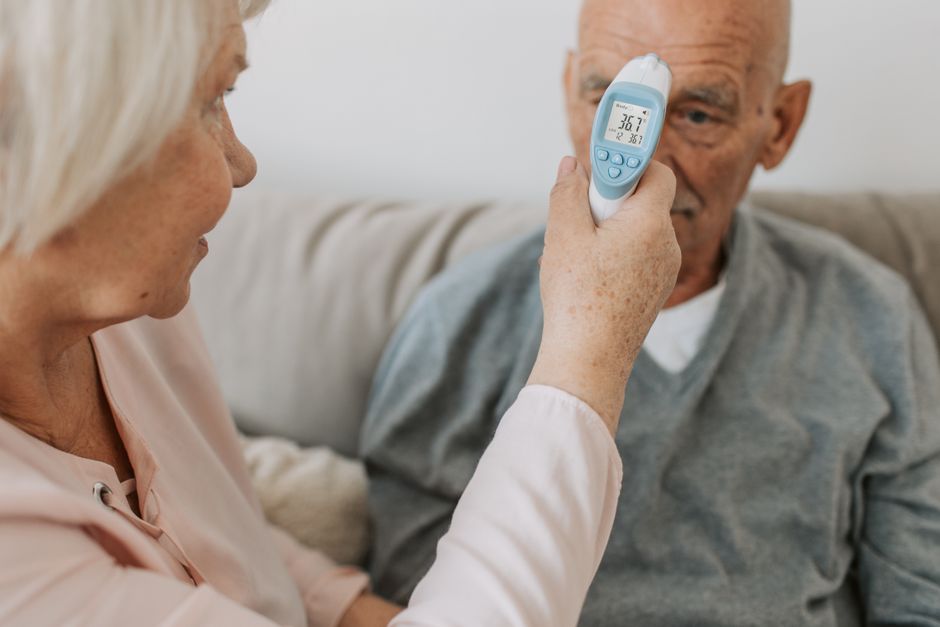
1. Geratherm Medical AG: Pioneering Mercury-Free and Recyclable Thermometers
Geratherm Medical AG has long been a leader in mercury-free clinical thermometers. Founded in Germany, the company has built its reputation on producing glass-free, environmentally safe temperature measurement devices. As part of its 2025 sustainability initiatives, Geratherm is expanding its use of recycled plastics in thermometer casings and reducing single-use packaging across its product lines.
The company announced a new 'GreenLine' series that will feature thermometers made from at least 60% post-consumer recycled materials. Additionally, Geratherm is investing in a closed-loop recycling program, allowing customers to return used thermometers for proper disassembly and material recovery. By 2025, Geratherm aims to divert over 50 tons of plastic waste from landfills annually.
Beyond materials, Geratherm is also optimizing its manufacturing processes to use renewable energy sources. Its production facilities in Germany are transitioning to solar and wind power, with a target of 80% renewable energy by the end of 2025. These efforts solidify Geratherm's position as a frontrunner in sustainable medical device manufacturing.
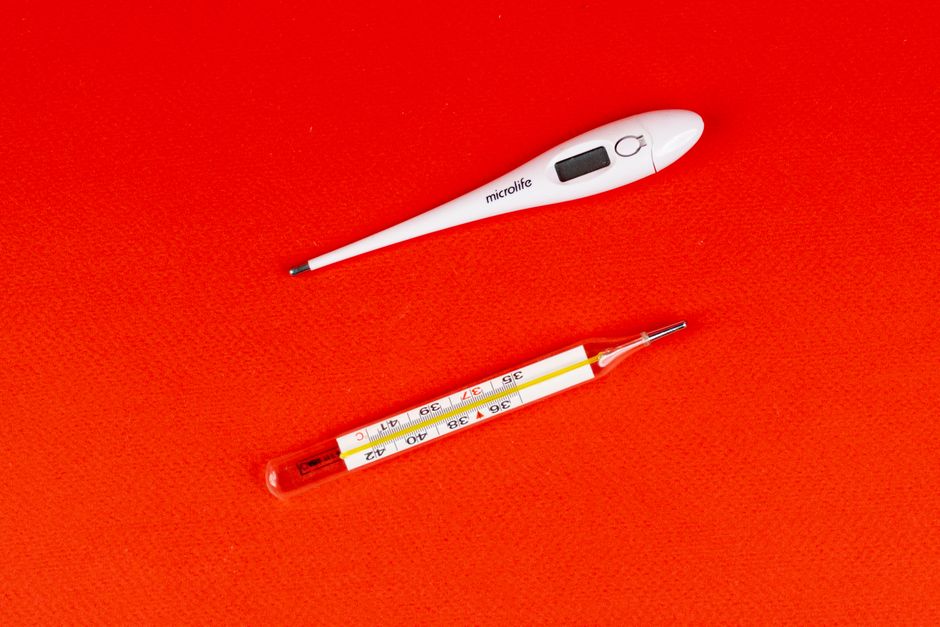
2. Braun (Helen of Troy): Carbon-Neutral Packaging and Energy-Efficient Design
Braun, a trusted name in home healthcare, is taking significant steps toward sustainability in 2025. The company, under parent Helen of Troy, has committed to making all thermometer packaging carbon-neutral by the end of the year. This involves using FSC-certified paper, soy-based inks, and eliminating plastic blister packs in favor of recyclable cardboard.
In addition to packaging, Braun is redesigning its digital thermometers to be more energy-efficient. The new ThermoScan line will feature low-power sensors that extend battery life by up to 40%, reducing the frequency of battery replacements and associated waste. Braun is also introducing a take-back program for old thermometers, offering consumers a discount on new purchases when they return used devices for responsible recycling.
Braun's 2025 initiative also includes a partnership with environmental organizations to offset the carbon emissions from its logistics network. By investing in reforestation and renewable energy projects, Braun aims to achieve carbon neutrality for its entire thermometer product line by 2026.
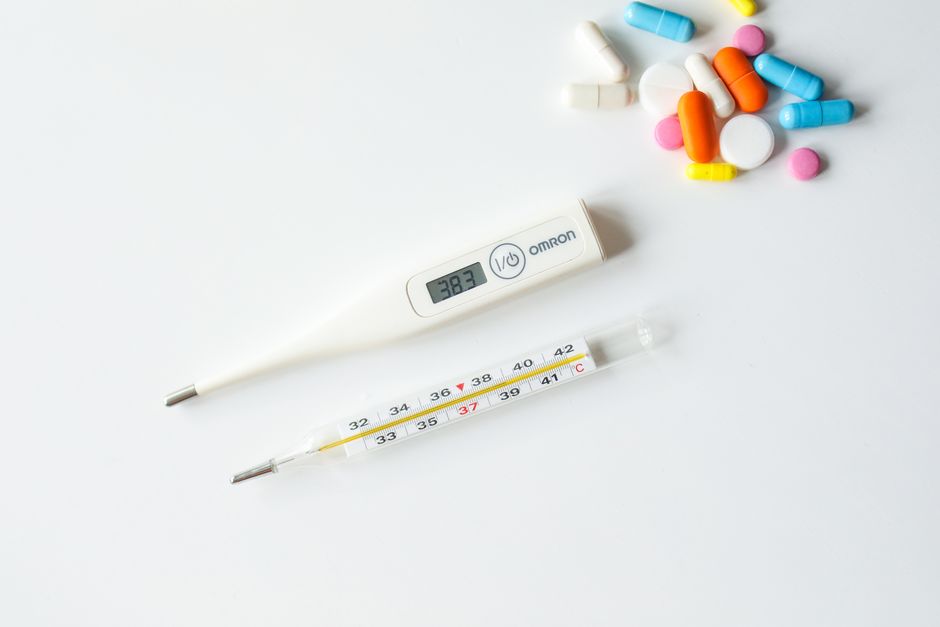
3. Omron Healthcare: Comprehensive Recycling and Eco-Design Standards
Omron Healthcare, known for its innovative medical devices, is ramping up its sustainability efforts in 2025 with a focus on circular economy principles. The company is launching a global recycling program specifically for thermometers and other small electronic devices, making it easier for consumers to dispose of them responsibly.
Omron is also implementing eco-design standards across its thermometer portfolio. New models will be built with modular components that can be easily separated for recycling, and the use of hazardous substances will be eliminated. The company aims to have 100% of its new thermometers meet these eco-design criteria by the end of 2025.
Furthermore, Omron is reducing the environmental impact of its manufacturing by upgrading facilities with energy-efficient equipment and water-saving technologies. The company reports a 25% reduction in CO2 emissions per unit produced since 2020, with a goal of 50% by 2030. These initiatives demonstrate Omron's commitment to sustainable healthcare innovation.
4. Kinsa Health: Smart Thermometers with Biodegradable Components
Kinsa Health has disrupted the thermometer market with its smart, app-connected devices. In 2025, the company is taking sustainability to the next level by introducing biodegradable probe covers and recyclable device bodies. Kinsa's new 'EcoSmart' model will feature a casing made from plant-based bioplastics that break down in industrial composting facilities.
Kinsa is also leveraging its digital platform to reduce waste. The accompanying app provides users with a digital record of temperature readings, eliminating the need for paper logs. Additionally, Kinsa is partnering with schools and community health programs to collect and recycle outdated thermometers, ensuring they are processed in an environmentally sound manner.
The company's 2025 initiative includes a commitment to zero-waste packaging. Kinsa will ship thermometers in 100% compostable mailers made from mushroom mycelium and agricultural waste. This bold move not only reduces plastic pollution but also sets a new standard for sustainable consumer electronics packaging.
5. Exergen Corporation: Energy-Efficient Manufacturing and Long-Lasting Devices
Exergen Corporation, the maker of the popular TemporalScanner thermometer, is focusing on energy efficiency and product longevity as key sustainability pillars for 2025. The company's infrared thermometers are already battery-operated and require no probe covers, reducing disposable waste. Now, Exergen is further minimizing environmental impact by upgrading its manufacturing facilities to LED lighting and high-efficiency HVAC systems.
Exergen is also extending the lifespan of its devices through robust design and repair programs. In 2025, the company is launching a certified refurbishment program that restores used TemporalScanners to like-new condition and resells them at a lower price, keeping functional devices out of landfills. This circular approach reduces the demand for new raw materials and lowers the overall carbon footprint per thermometer.
Moreover, Exergen is working with suppliers to source recycled aluminum for its device housings. The company aims to use at least 30% recycled content in all metal components by the end of 2025. These initiatives underscore Exergen's dedication to sustainable manufacturing while maintaining high-quality standards.
6. iHealth Labs: FSC-Certified Packaging and Solar-Powered Production
iHealth Labs, a digital health company, is making waves with its commitment to sustainable packaging and renewable energy. In 2025, iHealth is transitioning all thermometer packaging to FSC-certified paper and cardboard, with a goal of eliminating single-use plastics entirely from its supply chain.
The company is also investing in solar energy for its production facilities. By installing rooftop solar panels, iHealth expects to meet 40% of its electricity needs from renewable sources by mid-2025. This reduction in fossil fuel consumption directly lowers the carbon footprint of each thermometer manufactured.
iHealth is further enhancing product sustainability by using water-based adhesives and non-toxic inks in labeling. The company has also introduced a mail-back recycling program for its thermometers, providing prepaid shipping labels for customers to return end-of-life devices. iHealth's holistic approach to sustainability demonstrates that high-tech medical devices can be both innovative and eco-conscious.
7. American Diagnostic Corporation (ADC): Carbon Offsetting and Community Recycling Events
American Diagnostic Corporation (ADC) is a leading supplier of diagnostic instruments, including a wide range of thermometers. For 2025, ADC is launching a comprehensive carbon offset program that covers the entire lifecycle of its thermometer products, from raw material extraction to end-of-life disposal. The company is investing in verified carbon offset projects, such as wind farms and methane capture, to neutralize its operational emissions.
ADC is also organizing community recycling events in partnership with local healthcare facilities. These events allow consumers and medical offices to drop off old thermometers and other small medical electronics for free recycling. ADC aims to collect and recycle over 100,000 thermometers by the end of 2025.
In addition to recycling, ADC is reducing the environmental impact of its packaging by using recycled cardboard and biodegradable packing peanuts. The company has set a goal to make all packaging recyclable or compostable by 2026. ADC's 2025 initiatives reflect a deep commitment to environmental stewardship and community engagement.
Summary of 2025 Sustainability Initiatives
| Company | Key Initiative | Sustainability Feature |
|---|---|---|
| Geratherm Medical AG | Recycled plastics and closed-loop recycling | 60% post-consumer recycled content, renewable energy |
| Braun (Helen of Troy) | Carbon-neutral packaging and take-back program | FSC-certified paper, energy-efficient sensors |
| Omron Healthcare | Global recycling program and eco-design | Modular components, reduced CO2 emissions |
| Kinsa Health | Biodegradable components and zero-waste packaging | Plant-based bioplastics, compostable mailers |
| Exergen Corporation | Refurbishment program and recycled materials | LED lighting, 30% recycled aluminum |
| iHealth Labs | Solar-powered production and FSC packaging | 40% renewable energy, prepaid recycling labels |
| American Diagnostic Corporation (ADC) | Carbon offsetting and community recycling events | Verified carbon offsets, recyclable packaging |